What Is Lymphoma? Causes, Symptoms and Treatment
Author: Dr Nnenna Chiloli, MBBS, MPH
Medical Reviewer: Azuka Chinweokwu Ezeike, MBBS, FWACS, FMCOG, MSc (PH)
Highlights
- Lymphoma is a cancer of lymphocytes, a type of white blood cell found in the lymphatic system. There are two main types: Hodgkin lymphoma and Non-Hodgkin lymphoma
- The exact cause is unknown, but risk increases with certain infections, a weakened immune system, autoimmune conditions, and long-term chemical exposure
- Symptoms include painless swelling in the neck, armpit, or groin that lasts weeks, drenching night sweats, unexplained fever, weight loss, fatigue, and itching
- Diagnosis requires a lymph node biopsy to confirm it
- Treatment depends on the type and stage of the disease
Introduction
At first, she thought it was nothing. A small swelling appeared on her neck, with no pain, no injury, no reason to be concerned. Maybe it's just an infection, she told herself.Days turned into weeks. The lump remained, followed by night sweats, unexplained weight loss, and a constant tiredness.
By the time she finally saw a doctor, the question was no longer why the lump was there. It was: could this be cancer?
The diagnosis was lymphoma, a type of cancer that affects the lymphatic system.There are many types of lymphoma, and they behave quite differently from one another. Some grow slowly and may not require immediate treatment, while others are more aggressive and need to be addressed quickly. The symptoms, too, can vary, though common signs include swollen lymph nodes, persistent fever, drenching night sweats, and unexplained weight loss.
If you or someone you care about may have lymphoma, or if you are simply looking to understand the disease better, this article will guide you.The article will help you understand what lymphoma is, how it develops, the symptoms, and how it can be treated.
What Is Lymphoma?
Lymphoma is a type of cancer that begins in lymphocytes [1]. These are a type of white blood cell that helps the body fight infections. When these cells change and no longer function normally, they continue to grow and multiply when they should stop. These abnormal cells collect in the lymph nodes or other parts of the lymphatic system, forming masses. It is one of the most common cancers globally.
The Lymphatic System.
The lymphatic system is a network of vessels, glands, and organs that help fight infections, remove waste products, and maintain fluid balance [2]. When lymphocytes in this system become cancerous, they can cause a disease called lymphoma. The lymphatic system includes:
Lymph nodes
The small, bean-shaped glands found in the neck, armpits, groin, chest, and abdomen that filter substances and house immune cells.
The spleen
The spleen is an organ that filters blood and stores white blood cells
The thymus
The thymus is a gland in the chest that helps immune cells mature
The Bone marrow
The spongy tissue inside bones where blood cells are made.
The Lymphatic vessels
Lymphatic vessels are a network of channels that carry a fluid called lymph around the body.
The Main Types of Lymphoma
There are two broad categories:
Hodgkin Lymphoma(HL)
Hodgkin lymphoma is defined by the presence of a specific abnormal cell called the Reed-Sternberg cell. It tends to spread in a predictable, orderly way from one group of lymph nodes to the next. It is less common. Many cases respond well to treatment, although outcomes depend on the stage and other factors. It most often affects people aged 30-34 and those 55-60 [3].
Non-Hodgkin Lymphoma (NHL)
Non-Hodgkin lymphoma is more common and encompasses many different forms. These different forms vary greatly in how they grow and how they respond to treatment. NHL can arise from two types of lymphocytes (B-cells or T cells) and can affect the lymph nodes as well as organs outside the lymphatic system.Lymphomas can also be described by how quickly they grow:
Slow-growing
This type may remain stable for years.
Fast-growing
This type requires prompt treatment.
What Causes Lymphoma?
Lymphoma can occur when the instructions (genetic material) inside the white blood cells change. The cell may keep making more copies of itself when it should stop. Over time, these abnormal cells build up and interfere with the body's normal function. In most cases, the exact cause of this change is not fully understood. However, the following factors appear to increase the risk of developing lymphoma;
Infections
Certain viruses are linked to specific types of lymphoma.
- The Epstein-Barr virus(EBV), which causes glandular fever, is associated with some form of Hodgkin lymphoma.
- The human T-cell leukaemia virus and
- Hepatitis C virus have also been linked to certain non-Hodgkin lymphoma subtypes.
Helicobacter pylori bacteria, which affects the stomach, is associated with a rare stomach lymphoma called mucosa-associated lymphoid tissue lymphoma[4].
A weakened immune system
People with weak immune systems have a higher risk.
Autoimmune conditions
Illnesses in which the body's defence system mistakenly attacks its own tissues, such as Rheumatoid arthritis, are associated with increased risk of lymphoma [5].
Exposure to certain chemicals
Long-term exposure to chemicals used to kill pests and unwanted plants, and certain industrial chemicals, may raise the risk.
Previous cancer treatment
Having received treatment with medicines used to kill cancer cells or stop them from growing (chemotherapy) or radiation for another cancer can, in some cases, increase the risk of developing lymphoma later.Having one or more of these risk factors does not automatically mean a person will develop lymphoma. Some people with lymphoma have no identifiable risk factors at all.
Who Is Likely to Develop Lymphoma?
Lymphoma can affect anyone, at any age. However, certain characteristics are associated with a higher likelihood of developing it. They include:
Age
Non-Hodgkin lymphomas are more common in elderly people. Hodgkin lymphoma has a distinctive pattern, appearing more often in young adults(15-34) and again in older adults(over 60).
Sex
Lymphoma is slightly more common in men than in women, though this varies by subtype.
A weakened immune system
This is one of the strongest risk factors. People living with HIV, those who have had organ transplants, or those on long-term immunosuppressive medications have significantly higher rates of certain lymphomas.
Family history
Having a close relative (parent, sibling, or child) with lymphoma increases risk, though lymphoma is not strongly hereditary in the way other cancers are.
- Previous cancer treatment
Chemotherapy or radiation received for a previous cancer can raise the risk of developing lymphoma years later.
Geographic and ethnic background
Rates of different lymphoma subtypes vary around the world, suggesting that genetic, environmental, and lifestyle factors all play a role.
What Are the Symptoms of Lymphoma?
Lymphoma symptoms can be subtle at first and are easy to attribute to other, less serious conditions such as a common infection or stress. This is why it is important to know what to look out for. Common symptoms are:
Swollen lymph nodes
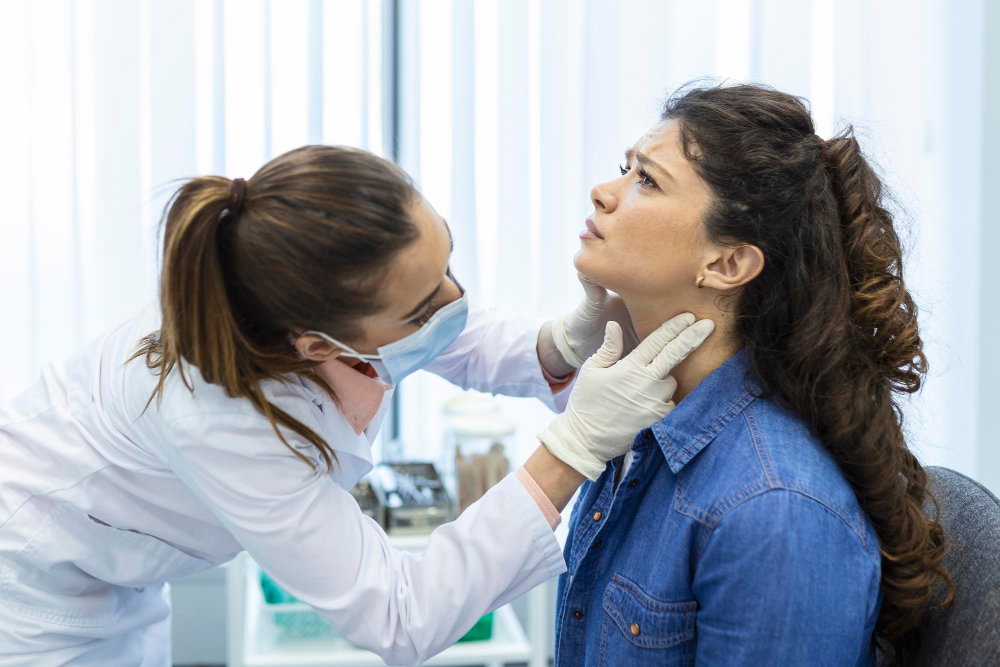
The most recognised sign of lymphoma is painless swelling in the lymph nodes, most often in the neck, armpit, or groin [6]. Unlike swollen glands that hurt when touched, which you might notice during a cold or flu (which usually shrink within a few weeks), lymphoma-related swelling tends to be painless and persistent.
Fever
Unexplained fever, especially one that comes and goes without an obvious cause like infection, can signal lymphoma.
Night sweats
Drenching night sweats that soak through clothing and bedding and have no other explanation.
Unexplained weight loss
Fatigue
Ongoing tiredness that does not improve with rest is commonly reported and can significantly affect daily life.
Itching
Some people with lymphoma experience generalised itching without a rash or skin condition to explain it.
Shortness of breath or chest discomfort
If lymph nodes in the chest are affected, they can press on the airways or lungs, causing a cough, shortness of breath, or a feeling of pressure in the chest.
Abdominal discomfort or swelling
If the glands inside the belly or the spleen become enlarged, a person may feel unusually full, have belly pain, or notice swelling.
When to See a Doctor
You should speak to a doctor if you notice:
- A lump or swelling in your neck, armpit, or groin that does not go away after 3 to 4 weeks.
- Any combination of the symptoms described above, particularly if they are persistent and unexplained.
How Is Lymphoma Diagnosed?
If a doctor suspects lymphoma based on the symptoms and checking the body for signs of illness, they will arrange further tests to confirm whether a person has lymphoma and find out which type it is. They also check which parts of the body are affected. These results help them choose the most suitable treatment.The tests include:
Blood tests
A Complete blood count measures the different types of cells in your blood. It checks white blood cells, which help your body fight infections, red blood cells, which carry oxygen around your body, and platelets, which help your blood clot and stop bleeding. Other blood tests may check for signs of inflammation, show how well organs such as the liver and kidneys are working, or look for certain proteins that may provide clues about lymphoma [6].
Lymph node biopsy
This is the main test used to confirm lymphoma. The doctor removes a small piece or the whole of a swollen lymph node. A specialist then examines the sample under a microscope to check for cancer and identify the type.
Computed tomography(CT) scan
CT scan creates pictures showing slices of images through the body to identify enlarged lymph nodes or organs affected by lymphoma.
Positron emission tomography (PET) scan
A PET scan helps doctors identify areas where cells are using more energy than usual. It can help them find areas affected by lymphoma.
Magnetic resonance imaging (MRI) scan
MRI uses a strong magnet to produce detailed images or pictures inside the body.
Ultrasound
This may be used to examine specific areas such as the abdomen or neck.
Bone marrow biopsy
A small sample of bone marrow is taken, usually from the back of the hip bone, to check whether lymphoma has spread to the bone marrow.
Staging
Once the type of lymphoma is confirmed. Doctors determine how far it has spread. This is called staging. Stages range from 1 (lymphoma affects only one lymph node region or one site of the lymphatic system outside of the lymph nodes) to 4 (when the lymphoma that started in the lymph nodes has spread to at least one organ outside the lymphatic system such as liver or lungs). Staging guides treatment decisions and helps predict outcomes.
How Is Lymphoma Treated?
Many lymphomas respond well to treatment, and a significant number are curable. Treatment depends on;
- The type of lymphoma
- The stage
- The patient's age
- Overall health, and
- Personal preferences.
Watchful waiting
For slow-growing lymphomas that are not causing significant symptoms, immediate treatment may not be necessary. Instead, regular monitoring with check-ups and scans is done. Treatment is commenced only if the lymphoma starts to grow, worsen, or cause problems.
Chemotherapy
Medicines are used to destroy cancer cells or stop them from dividing. It is often given in cycles over several months, allowing the body time to recover between treatments. It is frequently given as a combination of drugs. Common regimens include;
- CHOP (Cyclophosphamide, doxorubicin, vincristine, and prednisolone), used for aggressive Non-Hodgkin lymphoma.
- ABVD (Doxorubicin, bleomycin, vinblastine, and dacarbazine), a standard treatment for Hodgkin lymphoma.
Immunotherapy and Targeted Therapy
These treatments use the body's own immune system or target specific features of cancer cells, causing less damage to healthy tissue.
Monoclonal antibodies
Monoclonal antibodies are proteins engineered to attach to specific targets on cancer cells.
Checkpoint inhibitors
Checkpoint inhibitors are drugs that help immune cells overcome signals that stop them from attacking cancer more effectively. They are used in lymphoma that has returned after treatment or does not respond adequately to treatment.
Chimeric antigen receptor (CAR)-T cell therapy
CAR-T cell therapy involves taking some of a patient's immune cells and changing them in a laboratory so they can recognise and attack lymphoma cells. The changed cells are then returned to the patient's body.
Radiation therapy
High-energy X-rays or other forms of radiation are used to kill cancer cells in a specific area of the body. It is often used alongside chemotherapy or as a primary treatment for early-stage Hodgkin lymphoma confined to one area.
Bone Marrow Transplant ( as adjunct treatment)
For lymphomas that have come back or are not responding to initial treatment, chemotherapy given at high doses followed by a bone marrow transplant may be an option. The transplant replaces the bone marrow damaged by high-dose chemotherapy with healthy bone marrow cells either from the patient themselves or from a matched donor.
Managing Side Effects and Supportive Care
Treatment side effects vary depending on the treatment used but can include:
- Nausea
- Fatigue
- Hair loss
- Increased risk of infection
Supportive care, including medications for nausea, medicines that help the body produce more blood cells, and emotional support, is an integral part of treatment.
Can Lymphoma Be Prevented or Detected Early?
There is currently no guaranteed way to prevent lymphoma, and because most cases have no single identifiable cause, there is no straightforward preventive action. However, certain steps may help reduce overall risk:
Managing infections
Treating and managing infections that last a long time may reduce risk in some cases
Protecting immune health
Avoid risk factors for HIV infection since the virus is known to increase the risk of lymphoma. For people living with HIV, adhering to medicines used to treat HIV reduces immune suppression and thereby lowers the risk of lymphoma.
Minimizing chemical exposure
Where possible, using protective equipment when handling pesticides or industrial chemicals may be prudent, though direct evidence linking specific exposures to lymphoma risk in individuals is limited.
Maintaining a healthy lifestyle
While no lifestyle is definitively proven to prevent lymphomas specifically, maintaining a healthy weight, staying physically active, eating a balanced diet, and avoiding smoking support overall immune and general health.
Early detection
Unlike some cancers, there is no routine screening test for people without symptoms of lymphoma in the general population. Knowing the warning signs and seeking medical advice when symptoms persist is important. Also, people who are at higher risk should see their medical teams more often.
Conclusion
Lymphoma is a complex cancer, and the progress made in understanding and treating it over recent decades has been substantial. Many people with lymphoma respond well to treatment. Some are cured, while others achieve remission, meaning that the signs of cancer have greatly reduced or are no longer detectable.
Some people may need continued monitoring because the cancer may return.A diagnosis of lymphoma or the fear of one can cause anxiety. It is entirely normal to feel that way. See your health care team, ask questions, and seek support from those around you.
Frequently Asked Questions (FAQs)
Is lymphoma the same as leukaemia?
No. Both are blood cancers, but they differ in where they originate.
Are swollen lymph nodes always a sign of lymphoma?
No. Swollen lymph nodes are far more commonly caused by ordinary infections like a cold, flu, throat or skin infection and typically resolve within a few weeks.
Can children get lymphoma?
Yes. Lymphoma is one of the more common cancers in children and adolescents, although it remains relatively rare overall. Hodgkin lymphoma and Burkitt lymphoma ( a subtype of NHL) are among those that can affect younger people.
Can lymphoma spread to other parts of the body?
Yes. Lymphoma can spread beyond the lymph nodes to the bone marrow, spleen, liver, and other organs.
How long does lymphoma treatment last?
This varies depending on the type of lymphoma, its stage, and treatment approach.
Can lymphoma come back after treatment?
Yes. Relapse is possible with some types of lymphoma. This is why follow-up care is important.
References
1. Jamil A, Mukkamalla SKR. Lymphoma [Internet]. Treasure Island (FL): StatPearls Publishing; 2023 Jan– [updated 2023 Jul 17; cited 2026 Oct 19]. Available from: https://www.ncbi.nlm.nih.gov/books/NBK560826/
2. Liao S, von der Weid PY. Lymphatic System: An Active Pathway for Immune Protection. Semin Cell Dev Biol. 2015 Feb;38:83–9. doi:10.1016/j.semcdb.2014.11.012. Available from: https://pmc.ncbi.nlm.nih.gov/articles/PMC4397130/
3. Sharma M, Goyal P, Ranjan R, Maheshwari U, Bhurani D, Aggarwal C, et al. Clinical and epidemiological profile of elderly Hodgkin's lymphoma in India. Cureus. 2022 Jul 15;14(7):e26906. doi: 10.7759/cureus.26906. Available from: https://pmc.ncbi.nlm.nih.gov/articles/PMC9376209/
4. Park JB, Koo JS. Helicobacter pylori infection in gastric mucosa-associated lymphoid tissue lymphoma. World J Gastroenterol. 2014 Mar 21;20(11):2751–9. doi:10.3748/wjg.v20.i11.2751. Available from: https://pmc.ncbi.nlm.nih.gov/articles/PMC3961970/
5. Kleinstern G, Maurer MJ, Liebow M, Habermann TM, Koff JL, Allmer C, et al. History of autoimmune conditions and lymphoma prognosis. Blood Cancer J. 2018 Aug 1;8(8):73. doi:10.1038/s41408-018-0105-4 PubMed PMID: 30069001; Available from: https://pmc.ncbi.nlm.nih.gov/articles/PMC6070501/
6. Paquin AR, Oyogoa E, McMurry HS, Kartika T, West M, Shatzel JJ. The diagnosis and management of suspected lymphoma in general practice. Eur J Haematol. 2023 Jan;110(1):3–13. doi:10.1111/ejh.13863. PubMed PMID: 36093749; Available from: https://pmc.ncbi.nlm.nih.gov/articles/PMC10042228/
Disclaimer:
The information provided on this website is for general educational and informational purposes only. It is not intended to replace professional medical advice, diagnosis, or treatment. Always seek the advice of your physician or other qualified health provider with any questions you may have regarding a medical condition.
Published October 26, 2026