Do All Fibroids Need Treatment?
Author: Judith Ewere Ojerahi RN, RM, BNSC
Medical Reviewer: Azuka Chinweokwu Ezeike, MBBS, FWACS, FMCOG, MSc (PH
Highlights
- Fibroids are common non-cancerous tumours that grow in the womb during the reproductive years
- Hormonal factors and genetics are believed to play an important role in the development of fibroids.
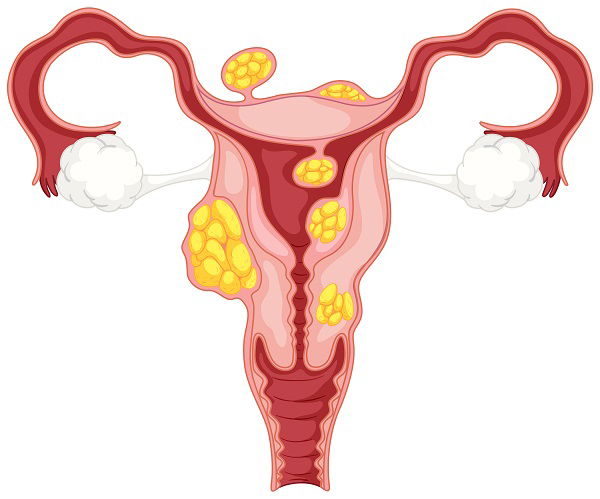
- Fibroids can grow inside, outside and within the uterus.
- Symptoms may include heavy menstrual bleeding, pelvic pain, frequent urination, and abdominal swelling.
- Diagnosis is usually made through history, examination, ultrasound, or hysteroscopy.
- All fibroids do not need treatment but when treatment is needed may involve medications, surgical or radiological procedures
Introduction
Many women discover they have fibroids during routine checkups or when they notice changes in their menstrual cycle. You may also have heard a lot of myths about fibroids, such as:
- “Fibroids are cancerous.”
- “You cannot get pregnant or have a baby if you have fibroids.”
- “Fibroids cannot be treated.”
Most of these are just misconceptions. In this article, we’ll help you understand what fibroids are, whether all fibroids need treatment, the different types and treatment options available, and whether fibroids can sometimes go away on their own.
What are Fibroids?
Fibroids are non-cancerous tumours made mostly of smooth muscle tissue cells of your womb (uterus). They are common in women of reproductive age (ages 15 to 49). Fibroids can grow either inside or outside your womb. Fibroids can be small, medium, or large in size. They can also be a single or multiple fibroids.
Causes of Fibroids
The exact reason why some women develop fibroids is not completely understood. It has been found that fibroids may result from an increase in estrogen and progesterone levels. Women in their reproductive age produce most of these hormones, and they are needed to make sure women get their period, ensure fertility, and be able to grow and nurture a baby while in the womb. Another possible reason why women develop fibroids could be as a result of genetics [1].
Risk Factors For Fibroids
Although the exact cause of fibroids is not known, some conditions increase the risk; you may be at a higher risk of fibroids if you:
- Are older than 30 years and have not given birth
- Are overweight
- Have a female family member who has had fibroids.
- Eat more red meat than vegetables and fruits.
- Are of the black race [2].
Types of Fibroids
Fibroids can be grouped into four based on their location. They include:
- Intramural fibroid: This type of fibroid, which is the most common, grows inside the muscles of the womb and grows from there. This makes the womb and abdomen increase in size and oftentimes is mistaken for pregnancy. If you have this type of fibroids, you may experience heavy menstrual bleeding, your menstrual cycle becoming inconsistent, and pain in the abdomen due to the pressure caused by these fibroids on organs close to the uterus.
- Subserosal fibroids: This type of fibroid grows on the outer part of the womb and continues to grow in size and number. Since it does not grow inside the uterus, subserosal fibroids have no effect on your menstrual cycle or bleeding. The major symptom of this kind of fibroid is pelvic pain, as it presses on organs that are close to your womb.
- Submucosal fibroids: Here, the fibroids grow inside what lines your womb. The large submucosal fibroids can block the fallopian tubes, which can cause infertility. Some submucosal fibroids do not cause any symptoms, while some can cause abnormal or heavy menstrual bleeding and cycle. [3]
- Pedunculated fibroids: This type of fibroid grows on a stem-like structure and can grow both inside and outside the womb wall. These fibroids present with pain as the fibroids can twist on the stem.
Signs and Symptoms of Fibroids
The effects of fibroids you may experience are usually based on the type and where the fibroids are.These include:
- Pain around the pelvis, abdomen and back.
- Frequent urination.
- Heavy menstrual bleeding.
- Menstrual cramps that are too much to bear.
- Difficulty getting pregnant
- Swelling of the abdomen [4].
How are Fibroids Diagnosed?
If you go for a check at the hospital, fibroids can be discovered during one of the examinations. The doctor usually requests additional tests if fibroids are suspected. Some of these tests include:
- Pelvic ultrasound: This test is commonly done to detect fibroids in the womb.
- Magnetic resonance imaging: This investigation gives a well-detailed view of where the fibroids are located in the womb. They can also help doctors know the size of the fibroids. This is commonly used when the fibroids are very large.
- Hysteroscopy: During this test, your doctor makes use of a thin tube (with a camera attached) that is gently passed through the vagina into the womb, so the doctor can see the inside of the womb. [5].
Do All Fibroids Need Treatment?
No. Although it is advisable to seek treatment for fibroids, not all fibroids require treatment. Treatment or surgery depends on:
- How serious your symptoms are,
- The size and where the fibroids are in your womb,
- If the fibroids are blocking your fallopian tubes and you wish to get pregnant [6].
When Fibroids do not Need Treatment
If your fibroids are small and are not giving you any issue, you may not need treatment.Your doctor would tell you to keep track of your symptoms and return immediately when you begin to have symptoms or worsening of symptoms.You will also be told to do an ultrasound scan from time to time in case the fibroids increase in size.
Also, if you are in menopause, you may not need treatment. In such instance, you can be asked to monitor yourself and come for routine checkups. This is because, as you get older, your estrogen and progesterone hormone levels drop, and this could lead to shrinkage of the fibroids.
When Should Fibroids be Treated?
Fibroids should be treated when they affect your daily life. Some of the reasons for treatment include:
- Excessive Menstrual bleeding.
- Frequent urination or difficulty in urination
- Constipation
- Swelling of the abdomen
- Inability to conceive (especially when no other cause is found)
Treatment Options for Fibroids
There are several ways fibroids can be treated.
They include:
- Monitoring (watchful waiting)
- Medications
- Radiological procedures
- Surgery [7].
Your doctor would determine the type of treatment you need depending on how serious your symptoms are, the size and where the fibroids are and whether you still intend to get pregnant.
Monitoring (watchful waiting)
Your doctor may recommend monitoring and a follow-up ultrasound every 3 to 6 months if your fibroids are small, not causing any symptoms or if you are close to menopause [7].
Drug Treatment of Fibroids
Medicinal options for fibroids help stabilise estrogen and progesterone levels in your body and alleviate symptoms. They are normally used as a temporary measure.
- Combined oral contraceptive (COCs): This medication is used to manage and reduce severe menstrual bleeding you may experience as a result of the fibroids. It is important to note that this drug does not shrink the fibroids but help with the bleeding.
- Levonorgestrel-Releasing Intrauterine System (LNG-IUS): This also helps to control very heavy menstrual bleeding and can be used for up to 5 years. Common brands of LNG-IUS are Mirena and Kyleena
- Nonsteroidal Anti-Inflammatory Drugs: This medication helps with reducing the pain you may feel as a result of the fibroids. Examples of these drugs include Ibuprofen and Naproxen.
- Antifibrinolytic Agents: This will help reduce the heavy menstrual bleeding. An example is Tranexamic acid.
- Gonadotropin releasing hormone agonist: This drug helps to reduce severe menstrual bleeding and reduce the size of the fibroid but the fibroids can grow back when you stop using the drug. An example of this drug is Leuprolide acetate.
- Gonadotropin releasing hormone antagonist: This medication also helps to reduce severe menstrual bleeding and can cause amenorrhoea. Examples include Elagolix and Relugolix.
- Aromatase inhibitors: This drug helps to prevent the fibroids from increasing in size and spreading. An example of this drug is letrozole [6,8].
Radiological procedures
This procedure is minimally invasive and is usually done with the aid of an imaging tool to treat fibroids. This is suitable for women who are not ideal for surgical procedures to remove the fibroids. Some radiological procedures include: [9]
- Uterine artery embolization: In this procedure, the arteries that supply blood to the fibroids in your womb are blocked. This reduces blood flow to the fibroids causing them to shrink. This procedure is done if you wish to preserve your womb but may not be suitable for you if you desire to preserve your fertility.
- Magnetic resonance guided focused ultrasound surgery: A magnetic resonance imaging is used to locate where the fibroids are, and with an ultrasound heat energy is targeted at the fibroids. This heat energy destroys the fibroid tissue, making them reduce in size and improve symptoms.
- Radiofrequency ablation: This treatment uses heat to destroy fibroids. The doctor uses a thin instrument to send electrical energy to the fibroid. This energy heats the fibroid tissue, and the heat kills the fibroid cells. This also makes the fibroid shrink and improve symptoms.
Surgical Treatment of Fibroids
Myomectomy and hysterectomy are surgical treatment options for fibroids.
Myomectomy
Myomectomy is the surgical procedure done to remove fibroids in the womb. The different types of myomectomy include:
- Abdominal myomectomy: Usually, the surgeon makes a cut on your abdomen to access your uterus. Once the uterus is reached, the fibroids are then removed. This is the most common type of myomectomy performed to remove large, multiple fibroids, and is usually done to remove fibroids that grow on and within the uterus.
- Laparoscopic myomectomy: Here, a laparoscope, a tube-like instrument with a camera, is inserted through a small cut made on your abdomen. This instrument helps the surgeon remove fibroids.
- Hysteroscopic myomectomy: During this procedure, a hysteroscope, which is a tube-like instrument with a small camera and lights, is passed through the vagina into the uterus guiding the surgeon to specialised instruments to take out the fibroids [10].
Myomectomy involves with the removal of fibroids but it is not a guarantee that the fibroids would not grow back. Myomectomy is usually done for women who wish to preserve their womb and desire to get pregnant
Hysterectomy
This surgical removal of the womb is the best treatment strategy for fibroids. This is best done if you have completed childbearing or are not interested in childbearing. This is a permanet procedure as once your womb is removed, you will not be able to get pregnant [6].
Can Fibroids Go Away on Their Own?
Fibroids do not usually go away on their own. Most of the time, medical or surgical interventions may be needed to manage and treat fibroids. However, fibroids can shrink and go away during menopause, mainly due to the decrease in estrogen and progesterone hormones.
What happens if Fibroids are Not Treated?
If your fibroids are left untreated, they could:
- Enlarge in size and number (Could reduce in size during menopause)
- Lead to worsening of symptoms.
- Causes anaemia due to excessive blood loss as a result of severe menstrual bleeding.
- Cause kidney failure if large and compresses the kidneys
When to See the Doctor Urgently
You should see your doctor as soon as your symptoms get worse and significantly affect your daily life. See a doctor urgently when:
- You have to change your pads or tampons more often because it gets soaked with blood too quickly.
- Your back or abdomen hurts a lot.
- You feel dizzy and weak.
WATCH THE EXPLAINER VIDEO
Conclusion
Fibroids are common and often non-cancerous; it is quite rare for them to turn cancerous. Most of the time, fibroids do not cause any symptoms. Fibroids can be treated with various methods depending on their size, location, and the severity of your symptoms. Several misconceptions about fibroids still exist, which can cause fear and lead to a delay in seeking treatment. Regular pelvic examinations to detect fibroids early are advised, especially if you are at risk of developing fibroids.
Frequently Asked Questions (FAQs)
Is fibroid cancerous?
No, fibroid is not cancerous. However on rare occasions, fibroids can turn cancerous.
Can I get pregnant and give birth with fibroids?
Yes, you can get pregnant and give birth to your baby even if you have fibroids. However, in some cases, fibroids can make it more difficult to get pregnant or may cause challenges during pregnancy
Do fibroids cause infertility?
It depends on the location. If the fibroids grow and block the fallopian tubes, it could prevent the sperm fertilising the egg causing infertility. But once it is removed, you can get pregnant.
Can fibroids be treated?
Yes, fibroids can be treated both with medications, surgery, radiological procedures and watchful waiting. It all depends on the severity of your symptoms, the size and location of the fibroids.
References
- Sefah N, Ndebele S, Prince L, et al. Uterine fibroids - Causes, impact, treatment, and lens to the African perspective. Front Pharmacol. 2023;13:1045783. Published 2023 Jan 10 Available from: https://pmc.ncbi.nlm.nih.gov/articles/PMC9871264/
- Yang Q, Ciebiera M, Bariani MV, et al. Comprehensive Review of Uterine Fibroids: Developmental Origin, Pathogenesis, and Treatment. Endocr Rev. 2022;43(4):678-719 Available from: https://pmc.ncbi.nlm.nih.gov/articles/PMC9277653/
- Noutakdie Tochie J, Therese Badjang G, Ayissi G, Sama Dohbit J. Physiopathology and Management of Uterine Fibroids [Internet]. Fibroids. IntechOpen; 2021. Available from:https://www.intechopen.com/chapters/73825
- Ara I, Sultana F, Najnin R, Afreen S, Tuhin TB. Evaluating the epidemiological insights, etiology, and clinical manifestations of uterine fibroids. Sch Int J Obstet Gynec. 2024;7(1):1–6. Available from: https://saudijournals.com/media/articles/SIJOG_71_1-6.pdf
- Lakabi R, Harth S, Meinhold-Heerlein I, Olsthoorn AV, Munro MG, Murji A. Diagnosis and classification of uterine fibroids. Int J Gynaecol Obstet. 2025;171(2):566-573 Available from: . https://pmc.ncbi.nlm.nih.gov/articles/PMC12553092/
- Barjon K, Kahn J, Singh M. Uterine Leiomyomata. [Updated 2025 May 4]. In: StatPearls [Internet]. Treasure Island (FL): StatPearls Publishing; 2026 Jan-. Available from: https://www.ncbi.nlm.nih.gov/books/NBK546680/
- Gupta I, Inamdar SA, Acharya N. Management of uterine fibroids – a review article. J Kidney. 2021;7:258. Available from: https://www.iomcworld.com/open-access/management-of-uterine-fibroids-a-review-article-109215.html
- Rezk A, Kahn J, Singh M. Fertility Sparing Management in Uterine Fibroids. [Updated 2023 Jun 7]. In: StatPearls [Internet]. Treasure Island (FL): StatPearls Publishing; 2026 Jan-. Available from: https://www.ncbi.nlm.nih.gov/books/NBK574504/
- Micić J, Macura M, Andjić M, et al. Currently Available Treatment Modalities for Uterine Fibroids. Medicina (Kaunas). 2024;60(6):868. Published 2024 May 26.Available from https://pmc.ncbi.nlm.nih.gov/articles/PMC11205795/
- Cianci S, Gulino FA, Palmara V, et al. Exploring Surgical Strategies for Uterine Fibroid Treatment: A Comprehensive Review of Literature on Open and Minimally Invasive Approaches. Medicina (Kaunas). 2023;60(1):64. Published 2023 Dec 28 Available ffrom. https://pmc.ncbi.nlm.nih.gov/articles/PMC10820219/
Disclaimer:
The information provided on this website is for general educational and informational purposes only. It is not intended to replace professional medical advice, diagnosis, or treatment. Always seek the advice of your physician or other qualified health provider with any questions you may have regarding a medical condition.
Published March 19, 2026