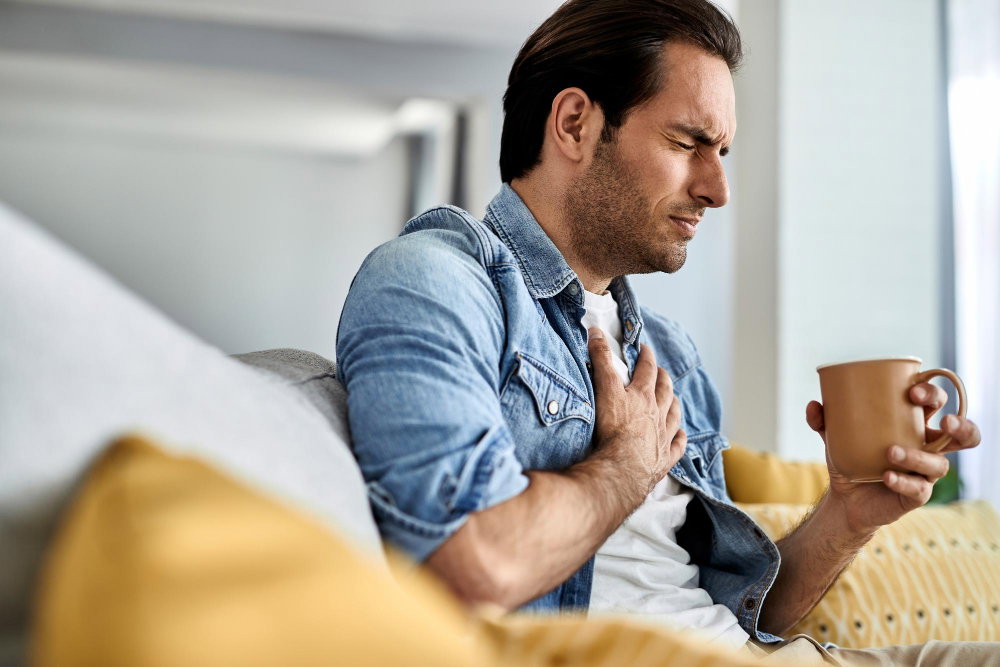
What Causes Heart Palpitations After Eating?
Author: Nnenna Chiloli, MBBS, MPH
Medical Reviewer:Azuka Chinweokwu Ezeike, MBBS, FWACS, FMCOG, MSc (PH)
Highlights
- Heart palpitations after eating are common and often harmless, but they can feel alarming
- Large meals can stretch the stomach and affect how the heart beats
- Sugary and high-carbohydrate foods may trigger blood sugar spikes and drops, leading to palpitations
- Caffeine, alcohol, and fizzy drinks can increase heart rate or cause irregular beats
- Conditions like Gastroesophageal reflux disease, diabetes, thyroid hormones, and POTS can worsen symptoms
- Eating habits like eating too fast or lying down after meals can trigger palpitations
- Simple lifestyle changes and proper medical care can significantly reduce or prevent symptoms
Introduction
What Are Heart Palpitations?
Heart palpitations are an awareness of your heartbeat. You might feel like your heart is beating too fast, skipping beats, beating out of rhythm, or pounding strongly in your chest, neck, or throat [1].
Most people experience palpitations occasionally, and they are often harmless. However, when palpitations occur consistently after eating, they can be unsettling and may indicate an underlying issue that deserves attention.
Palpitations can last from a few seconds to several minutes. While they are usually not dangerous, understanding what triggers them, especially in relation to meals, can help you manage symptoms and identify when medical evaluation is necessary.
Can Eating Cause Heart Palpitations?
Yes, what you eat can play a big role in how your beats or behave. This physical process is more common than people realize.
Why This Happens:
When you eat, your body goes through several significant changes, which are:
Blood flow redistribution
When you eat, more blood is directed to digestion, which may influence your heart rate [2].
Autonomic nervous system activation
Digestion activates a type of nerve, the vagus nerve, and other parts of your autonomic nervous system, which controls heart rate.
Metabolic changes
Blood sugar levels, insulin secretion, and other hormones fluctuate after meals, affecting heart rhythm.
Mechanical effects
A full stomach can press against the diaphragm and heart, especially if you have certain structural problems.These changes are typically normal and temporary. However, in some individuals, particularly those with certain medical conditions, these responses can become exaggerated, leading to noticeable palpitations.
Common Causes of Heart Palpitations After Eating
Common causes of heart palpitations after eating are as follows:
Large meal size
Eating large meals is one of the most common triggers for palpitations. When the stomach becomes significantly distended, it can:
- Compress nearby structures, including the heart and diaphragm
- Alter the heart's position in the chest cavity
- Reduce how much blood fills the heart, so your heart beats faster to make up for it
High-carbohydrate and high-sugar foods
Foods high in simple carbohydrates and sugars can cause rapid spikes in blood glucose levels.
This triggers:
Increased insulin secretion
The pancreas releases insulin to regulate blood sugar levels, which can affect heart rhythm.
Hormonal responses
Glucose-dependent insulinotropic polypeptide (GIP) and other gut hormones are released and can make your blood vessels relax and widen, and also affect how your heart works [3].
Reactive hypoglycemia
In some people, the body releases too much insulin after eating. This can cause the blood sugar to drop too low, and when that happens, the body releases stress hormones like adrenaline, which can make the heart beat fast or feel like it's pounding.
Fatty and fried foods
Fatty meals can trigger palpitations by:
- Making food leave the stomach slowly so the stomach stays full and stretched for a longer time
- Making acid reflux worse, and this may cause a fast or uncomfortable heartbeat
Caffeine and Alcohol
- Caffeine makes your heart beat faster and may sometimes cause irregular heartbeats.
- Alcohol can cause irregular heartbeat and exacerbate reflux symptoms
- Bubbly drinks can make your stomach feel bloated or stretched and may trigger an irregular or fast heartbeat when you swallow.
Cold foods and beverages
You may experience palpitations when you consume very cold foods or drinks [4] due to the following:
- Stimulation of the vagus nerve
- Irritation of the oesophagus
Rapid eating and swallowing
When you swallow, it can physically affect the heart, especially the left upper part, because the oesophagus (food pipe) lies very close to it. Swallowing can also trigger nerve signals that may change the heart rhythm.
Medical Conditions Linked to Palpitations After Eating
While occasional palpitations after eating are usually harmless, certain medical conditions can make them more frequent or severe. They include:
Gastroesophageal Reflux Disease (GERD)
GERD is one of the most commonly identified conditions associated with palpitations after eating.
This happens through the following:
Stimulation of the vagus nerve.
Acid reflux irritates the oesophagus, which stimulates the vagus nerve that runs alongside it. This directly influences the heart rhythm [5].
Oesophageal inflammation
This can affect the nearby upper chamber of the heart (left atrium), causing abnormal heart rhythm.
Hiatal Hernia
A hiatal hernia occurs when part of the stomach pushes up through the diaphragm into the chest cavity. This causes:
- Direct compression of the heart, especially after large meals
- Irritation of the vagus nerve, which can trigger irregular heartbeats
- Worsened reflux
Diabetes Mellitus
Diabetes is associated with palpitations after eating in the following ways:
- Increased blood sugar after meals, which can trigger an irregular heart rhythm
- Impaired insulin function can affect heart rhythms
- Long–standing diabetes can damage nerves that control heart rate, leading to responses to eating
- People with diabetes on medication may experience low blood sugar after meals, which can trigger stress hormone release and palpitations
Thyroid Disorders
Thyroid hormones affect how fast and regularly the heart beats. An overactive hormone or being extra sensitive to these hormones can make the heart beat too fast or cause irregular heart rhythm by:
- Increasing the heart's sensitivity to adrenaline
- Affecting how electrical signals move through the heart
- Affecting how the body processes and uses energy after eating
Postural Orthostatic Tachycardia Syndrome (POTS)
POTS is a condition characterized by excessive increases in heart rate upon standing. POTS worsens symptoms after meals due to increased secretion of gut hormones like GIP, which dilates blood vessels. More blood flows to the digestive system after eating, so less blood returns to the heart, causing the heart to beat faster to compensate [6].
Gastroparesis
Gastroparesis is delayed stomach emptying. It can prolong the period of stomach distension and increase the risk of palpitations.
Rapid Gastric Emptying (Dumping Syndrome)
You may experience palpitations when food moves too quickly through the stomach. This is due to:
- Rapid delivery of food to the small intestine triggers massive fluid shifts
- Release in large amounts of hormones like serotonin, Vasoactive intestinal peptide, etc
- A drop in blood pressure and an increase in heart rate to compensate for the drop
When Should You be ncerned?
Although most palpitations after eating are harmless, certain warning signs indicate you should seek immediate medical attention. They include:
- Chest pain or pressure. It could indicate a heart attack or angina
- Severe shortness of breath. This may signal heart failure or a serious abnormal rhythm
- Fainting or near-fainting. May suggest inadequate blood flow to the brain
- Dizziness or lightheadedness, especially if severe or persistent
- Unusually fast heart rate
When to See a Doctor
- Palpitations that occur with every meal or most meals
- Symptoms that are worsening over time
- Palpitations lasting more than a few minutes
- Associated symptoms like excessive sweating, nausea, or anxiety
- New onset of palpitations if you have existing heart disease, diabetes, or thyroid problems
- Palpitations that interfere with daily activities or quality of life
How to Reduce or Prevent Heart Palpitations After Eating
Dietary modification
- Eat smaller, more frequent meals instead of large meals
- Avoid overeating and stop eating before feeling full
Food choices
- Choose foods that raise blood sugar slowly, such as whole grains, legumes, and vegetables, instead of highly processed carbohydrates
- Cut down on sugary foods and highly processed carbohydrates like sweets, white bread, and sugary drinks
- Reduce fatty, fried, and spicy foods. They can worsen reflux and slow digestion
- Avoid trigger foods like citrus, tomatoes, and other acidic foods if you have GERD
Beverages
- Limit or avoid caffeine
- Moderate alcohol consumption
- Avoid cold beverages if they trigger symptoms
- Drink liquids separately from solid food. Wait about an hour after eating
- Drink enough water
Eating Habits and Behaviours
- Eat slowly and chew thoroughly
- Avoid lying down immediately after eating. Wait at least 2–3 hours
- Sit upright during and after meals
- Eat smaller, more frequent meals rather than large meals
Lifestyle Modifications
Weight management
Maintain a healthy weight to reduce pressure on the stomach and diaphragm
Clothing
Wear loose-fitting clothing, especially around the waist. Waist bands and tight belts can increase pressure in your belly
Sleep
Ensure adequate sleep (7-8hours nightly). Sleep deprivation can exacerbate autonomic dysfunction and increase irregular heart rhythms
Stress management
Practice relaxation. Chronic stress can affect the autonomic nervous system balance
Smoking cessation
Quit smoking as it worsens GERD and affects heart function
Medical Management
Treatment of GERD-related palpitations
Proton pump inhibitors
Medications like omeprazole, pantoprazole, or rabeprazole reduce acid production
Antacids and anti–foaming agents help ease symptoms
Diabetes Management
Maintain good blood sugar control to prevent high blood sugar after eating
Thyroid Treatment
Make sure any thyroid problems are properly treated and kept under control
Heart Medications
- Beta blockers can reduce how fast the heart is beating
- Calcium channel blockers can help the heart beat normally
Surgical Options
In some cases, doctors may recommend surgery such as:
- Hiatal hernia repair for large hernias causing significant symptoms
- Catheter ablation for persistent irregular beats that don't respond to medication
- Pacemaker implantation for certain types of heart block
Conclusion
Heart palpitations after eating are quite common and vary from simple scare to having serious medical implications. In the majority of people, minor lifestyle and food modifications can resolve or greatly reduce symptoms. It is important to know measures to prevent or reduce palpitations and when symptoms require medical attention.
References
- Govender I, Nashed KK, Rangiah S, Okeke S, Maphasha OM. Palpitations: Evaluation and management by primary care practitioners. S Afr Fam Pract (2004). 2022 Feb 24;64(1):5449. doi:10.4102/safp.v64i1.5449 PubMed PMID: 35261258; PubMed Central PMCID: PMC8905373. Available from: https://pubmed.ncbi.nlm.nih.gov/35261258/
- Kvietys PR. Postprandial Hyperemia. In: The Gastrointestinal Circulation [Internet]. Morgan & Claypool Life Sciences; 2010 [cited 2026 Apr 21]. Available from: https://www.ncbi.nlm.nih.gov/books/NBK53094/
- Heimbürger SM, Bergmann NC, Augustin R, Gasbjerg LS, Christensen MB, Knop FK. Glucose-dependent insulinotropic polypeptide (GIP) and cardiovascular disease. Peptides. 2020 Mar 1;Glucose-dependent insulinotropic polypeptide (GIP)125:170174. doi:10.1016/j.peptides.2019.170174. Available from https://doi.org/10.1016/j.peptides.2019.170174
- Lien IC, Vinson DR, Ramalingam ND, Nicole Tran H, Liu TI. A Case Report of Cold Drinks and Food as a Trigger of Paroxysmal Atrial Fibrillation. Perm J. 26(4):110–3. doi:10.7812/TPP/22.079 PubMed PMID: 36336673; PubMed Central PMCID: PMC9761284. Available from: https://pubmed.ncbi.nlm.nih.gov/36336673/
- Drca N, Vegard M, Loennechen JP, Janszky I, Horn JW. Gastroesophageal reflux disease symptoms and risk of atrial fibrillation in a population-based cohort study (the HUNT study). PLoS One. 2024 May 31;19(5):e0304624. doi:10.1371/journal.pone.0304624 PubMed PMID: 38820508; PubMed Central PMCID: PMC11142718. Available from: https://pubmed.ncbi.nlm.nih.gov/38820508/
- Bourne KM, Stiles LE, Raj SR, Shibao CA. Do meals affect heart rate and symptoms in postural orthostatic tachycardia syndrome? Clin Auton Res. 2022 Feb;32(1):65–7. doi:10.1007/s10286-021-00835-0 PubMed PMID: 34792683; PubMed Central PMCID: PMC11107475. Available from: https://pubmed.ncbi.nlm.nih.gov/34792683/
Disclaimer:
The information provided on this website is for general educational and informational purposes only. It is not intended to replace professional medical advice, diagnosis, or treatment. Always seek the advice of your physician or other qualified health provider with any questions you may have regarding a medical condition.
Published April 26, 2026