Liver Function Test Explained: What It Shows and Why It Matters
Author: Nnenna Chiloli, MBBS, MPH
Medical Reviewer: Azuka Chinweokwu Ezeike, MBBS, FWACS, FMCOG, MSc (PH)
Highlight:
- Liver function tests check how well your liver is working and detect potential problems early.
- The tests measure enzymes, proteins, and substances like ALT, AST, ALP, GGT, and bilirubin.
- Common reasons for testing include symptoms, risk factors, medication monitoring, and known liver disease.
- Prepare by telling your doctor about medications you are taking, avoiding alcohol, and following instructions.
- Abnormal results don't always mean serious liver disease
- Abnormal liver function test results usually happen in one of two ways: either the liver cells are damaged, or there is a problem with the flow of bile.
Introduction
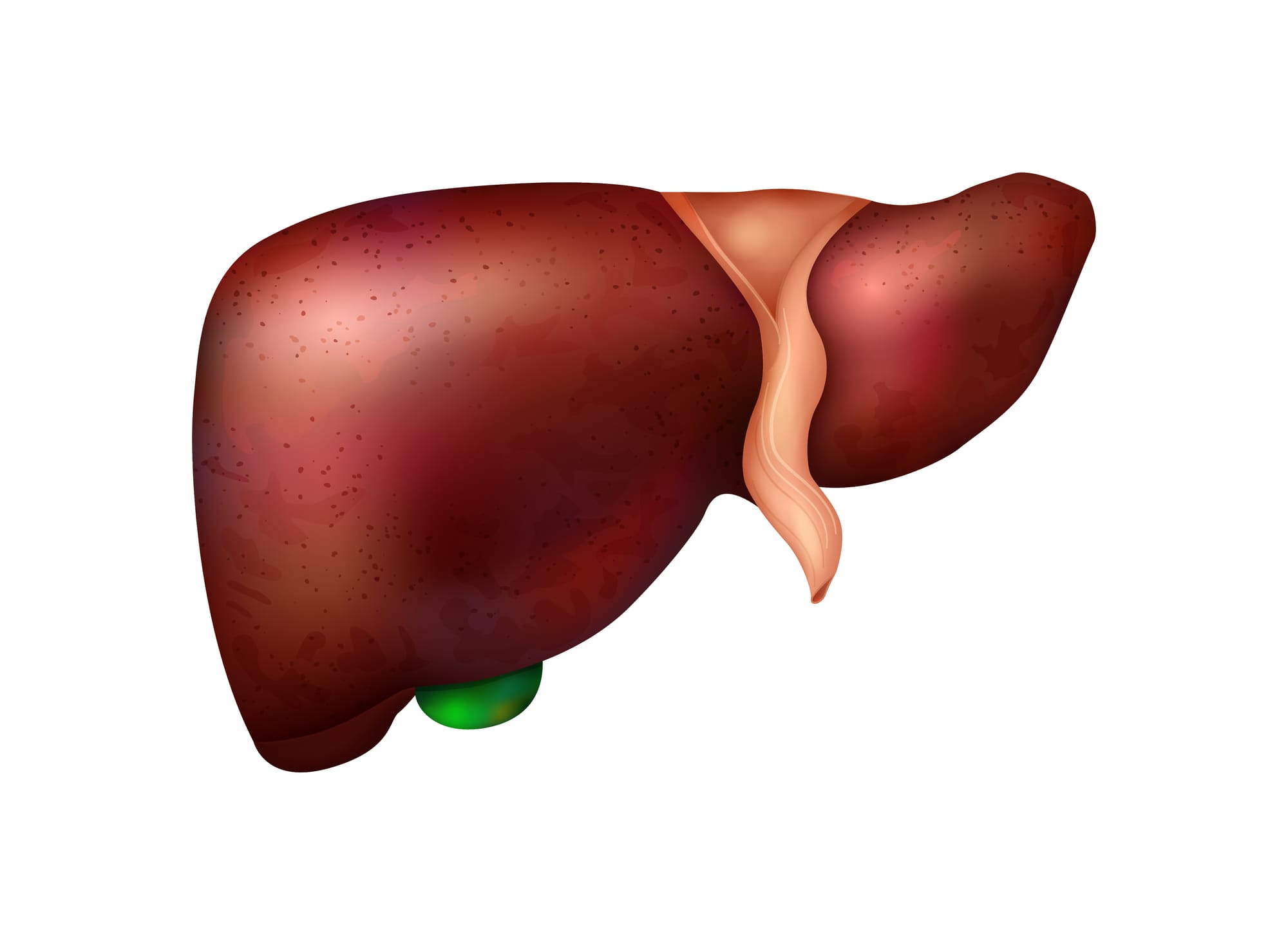
Your liver is one of your body’s largest and most important organs. It performs essential functions, including filtering harmful substances from your blood, producing proteins needed for blood clotting, storing energy, producing bile to help digest fats, and processing medications [1]. When your liver is damaged or diseased, these functions can be affected.
Liver function tests (LFTs) are simple blood tests that help doctors assess how well your liver is working and detect potential liver problems early. These tests measure specific enzymes, proteins, and substances in your blood that reflect your liver’s health. They detect patterns of enzymes and proteins that leak into your bloodstream when liver cells are damaged, or that decrease when your liver cannot produce them properly. These patterns help doctors identify liver problems, determine their severity, and monitor how well treatments are working.
This article explains what each test measures, who needs testing, how to prepare, what abnormal results mean, and when to seek medical attention.
Why Is a Liver Function Test Done?
Doctors order liver function tests for several reasons, such as:
Screening for liver disease
Liver function tests can detect liver problems before you experience any symptoms [1].
Diagnosing liver disease
If you have symptoms such as yellowing of the eyes, dark urine, pale stools, belly pain, nausea, vomiting, or unexplained fatigue, liver function tests can help identify the underlying cause.
Monitoring existing liver conditions
For people who already have liver disease, regular liver function tests track disease progression, assess the severity of liver damage, and help determine if the condition is improving, stable, or worsening.
Evaluating treatment effectiveness
Liver function tests show whether medications or other treatments for liver disease are working. They also help doctors adjust the treatment plan as needed.
Monitoring medication side effects
Many medications can potentially harm the liver. Your doctor may order periodic liver function tests to ensure these drugs aren't causing liver damage.
Assessing surgical risk
Before major surgery, liver function tests help determine if your liver is healthy enough to handle the stress of surgery.
What Does a Liver Function Test Measure?
A comprehensive liver function test typically includes several markers. Each one provides specific information about different aspects of liver health. They include:
Alanine Aminotransferase (ALT)
ALT is an enzyme found primarily in liver cells. When liver cells are damaged or die, ALT leaks into your bloodstream, causing blood levels to rise. Elevated ALT levels indicate damage to the liver cells themselves. This can occur in conditions like viral hepatitis and fatty liver disease [2].
Aspartate Aminotransferase (AST)
Aspartate Aminotransferase is another enzyme released when cells are damaged. Unlike ALT, AST is found in many tissues throughout your body, including the liver, heart, muscles, kidneys, and brain. Because AST is present in other organs, elevated levels aren't as specific to liver disease as ALT.However, when both AST and ALT are elevated, liver disease is likely. Very high levels (more than 10 times the upper limit of normal) typically indicate sudden liver injury from causes like viral hepatitis, drug toxicity, or damage caused by poor blood supply [3].
Alkaline Phosphatase (ALP)
Alkaline Phosphatase is an enzyme found in several tissues, including the liver, bile ducts, bones, intestines, and placenta (during pregnancy). Because ALP can also come from other tissues, elevated levels may reflect disorders of other tissues rather than liver problems. So your doctor may order additional tests to determine if raised ALP is from your liver or another source.
Gamma-Glutamyl Transferase (GGT)
Gamma-Glutamyl Transferase is an enzyme found in the liver, bile ducts, pancreas, and kidneys, but it's particularly sensitive to liver and biliary system problems. GGT is especially useful for confirming that elevated ALP levels are due to liver or bile duct problems rather than bone disease.It is also very sensitive to alcohol consumption and can be elevated in people who drink heavily, even before other signs of liver damage appear.
Bilirubin (Total and Direct)
Bilirubin is a yellow pigment produced when your body breaks down old red blood cells. Your liver processes bilirubin and excretes it in bile. Bilirubin exists in two forms in your blood:
- Indirect(unconjugated) bilirubin: the form before the liver processes it
- Direct (conjugated) bilirubin: the form after the liver processes it.
Total bilirubin measures both forms. When bilirubin levels rise above normal, it causes yellowing of the skin and eyes.Elevated total bilirubin with predominantly indirect bilirubin suggests problems with bilirubin production, such as excessive red blood cell breakdown (haemolysis) or impaired liver uptake. Whereas elevated direct bilirubin indicates problems with bile excretion, such as bile duct obstruction or liver cell damage affecting bile secretion.
Albumin
Albumin is the most abundant protein in your blood, and it's made exclusively by your liver. It performs many important functions, including maintaining fluid balance in your blood vessels and transporting hormones, vitamins, and medications throughout your body [4].Because albumin stays relatively long in the body (about 20 days), its levels decrease only in long-term liver disease or severe, sudden liver failure.
Total Protein
Total protein measures all proteins in your blood, including antibodies and other proteins. The liver produces most blood proteins, and so long-term liver disease can reduce total protein levels. Total protein is less specific than albumin for assessing liver function, but it provides additional context.
Prothrombin Time (PT)
Prothrombin time measures how long it takes your blood to clot. Your liver produces most of the clotting factors needed for blood to clot properly. Prolonged PT shows that the liver is not making enough of the important proteins and substances the body needs [5]. Because blood-clotting proteins do not last long in the body, the prothrombin time test can detect a sudden decline in liver function sooner than the albumin test. Significantly prolonged PT suggests serious liver dysfunction and is a critical indicator of sudden liver failure.
Who Needs a Liver Function Test?
Liver function tests are recommended for many people, including:
People with symptoms of liver disease
If you have jaundice, dark urine, pale or clay-coloured stools, belly pain or swelling, nausea, vomiting, loss of appetite, unexplained fatigue, or easy bruising or bleeding, you should have liver function tests.
Individuals with risk factors for liver disease
You may need regular liver function testing if you:
- Have hepatitis B or C infection
- Have a family history of liver disease
- Drink alcohol heavily or regularly
- Are overweight or obese
- Have diabetes
People taking medications that can potentially affect or damage the liver
Many medications can cause liver damage, especially with long-term use.
Individuals with known liver disease
If you have been diagnosed with any liver condition, such as hepatitis, fatty liver disease, or cirrhosis, regular liver function tests help monitor disease progression and treatment response
People with other medical conditions
Certain conditions increase your risk of liver problems, including:
- Inflammatory bowel disease
- Thyroid disorders
- Celiac disease
- Haemochromatosis (iron overload)
Routine health screening
Even if you have no symptoms or risk factors, liver function tests are often included in routine health screenings and annual physical examinations, especially in people at high risk of liver damage, to detect silent liver disease early.
How to Prepare for a Liver Function Test
Preparing for a liver function test is generally simple:
Fasting requirements
Most liver function tests don't require fasting, and you can eat and drink normally before the test. However, some doctors prefer that you fast for 10-12 hours before the test to improve accuracy, especially if other tests, such as lipid panels, are being done at the same time.
Medication considerations
Tell your doctor about all medications, supplements, and herbal products you take. Some substances can affect liver enzyme levels. Your doctor will advise whether you should temporarily stop any medications before the test.
Alcohol avoidance
Avoid alcohol for at least 24 hours before the test, as alcohol can temporarily elevate liver enzymes and affect test results.
Inform your doctor
Let your doctor know if you:
- Have recently had any imaging tests using contrast dye
- Have been ill or had an infection
- Have engaged in strenuous exercise recently (can temporarily elevate some enzymes)
- Are pregnant or might be pregnant
How is a Liver Function Test Done?
The liver function test is a straightforward blood test that's usually quick and relatively painless. You might feel a tiny prick when the needle goes in, but that's about it. The procedure is as follows:
The blood draw process
- A healthcare professional will clean an area on your arm ( usually the inside of your elbow) with an antiseptic wipe.
- An elastic band (tourniquet)is wrapped around your upper arm to make your veins more visible and easier to access
- A small needle is inserted into a vein, and blood is collected into one or more tubes. You may feel a brief pinch or sting when the needle goes in.
- The tourniquet is removed, and the needle is withdrawn. Pressure is applied to the puncture site with a cotton ball or gauze to stop any bleeding.
- A small bandage is placed over the puncture site.
The entire process typically takes less than five minutes
After the Test
You can resume normal activities immediately after the blood draw. You may have slight bruising or soreness at the puncture site, which should resolve within a day or two.
When to Expect Results
Liver function test results are usually available within 24-48 hours, though this can vary depending on the laboratory. The doctor will review the results and contact you to discuss what they mean and any necessary next steps.
Risks and Complications
Liver function tests are very safe. Potential risks are minimal and may include:
- Slight pain or bruising at the needle site
- Feeling lightheaded or faint (rare)
- Infection at the puncture site(very rare)
- Excessive bleeding (very rare, mainly in people with bleeding disorders)
What Do Abnormal Liver Function Results Mean?
Abnormal liver function test results don't automatically mean you have serious liver disease. Many factors can raise liver enzymes temporarily, and your doctor will interpret your results in the context of your overall health, symptoms, and medical history.Abnormal liver function tests fall into two main patterns:
Liver Cell Injury
This pattern shows predominantly elevated ALT and AST levels, indicating liver cell damage. Common causes include:
- Viral hepatitis
- Fatty liver disease
- Alcohol-related liver disease
- Drug-induced liver injury
Bile Flow Problems
This pattern shows predominantly elevated ALT and GGT with or without elevated bilirubin, indicating problems with bile production or flow. Common causes include:
- Bile duct obstruction
- Primary biliary Cholangitis
- Certain medications
Diseases That Can Affect Liver Function Tests
Many conditions can cause abnormal liver function tests. They include the following:
Hepatitis (Viral, Autoimmune)
Viral Hepatitis
Viral hepatitis refers to inflammation of the liver caused by hepatitis viruses (A, B, C, D, and E). Hepatitis B and C are the most common causes of long-term liver disease worldwide. Viral hepatitis typically causes marked elevation of ALT and AST, with ALT usually higher than AST.
Autoimmune Hepatitis
Autoimmune hepatitis occurs when your immune system mistakenly attacks your liver cells. It causes a moderate-to-marked elevation in ALT and AST, often with elevated globulins and positive autoantibodies.
Non-Alcoholic Fatty Liver Disease (NAFLD) and Non-Alcoholic Steatohepatitis (NASH).
NAFLD is the accumulation of excess fat in the liver in people who drink little or no alcohol. It's strongly associated with obesity, diabetes, and metabolic syndrome. NASH is a more serious form where fat accumulation causes liver inflammation and damage. NAFLD/NASH causes mild to moderate elevation of ALT and AST, with ALT often higher than AST in early stages. GGT may also be elevated.
Cirrhosis
Cirrhosis is advanced scarring of the liver resulting from long-term liver damage from any cause. The liver becomes hard and nodular, and its function progressively declines. In early cirrhosis, liver enzymes may be only slightly elevated or even normal. As cirrhosis advances, albumin level decreases, Prothrombin test results increase, and bilirubin may rise.
Liver Cancer
Liver function tests in liver cancer vary widely depending on the extent of underlying liver disease. ALP may be elevated.
Alcohol-related Liver Disease
Long-term alcohol consumption characteristically shows AST elevation greater than ALT. In advanced disease, albumin decreases, and PT increases. Alcohol cessation can lead to significant improvement in liver function, even in advanced disease, making early intervention critical.
Drug-Related Liver Injury
Many medications and herbal supplements can cause liver damage. Common ones include:
- Acetaminophen (in overdose)
- Certain antibiotics
- Statins
- Anti-tuberculosis drugs
- Some herbal products
Drug-related liver injury can cause either liver cell damage or bile flow injury. Acetaminophen overdose causes serious liver cell injury with very high ALT and AST levels. Most cases improve after stopping the medication, though severe cases can lead to sudden liver failure.
Wilson’s Disease
Wilson’s disease is a rare inherited disorder in which copper accumulates in the liver, brain, and other organs. There may be characteristic low ALP and AST, and low copper-carrying protein.
Haemochromatosis
Haemochromatosis is an inherited condition causing excessive iron absorption and accumulation in organs, including the liver. May show mild elevation of ALT and AST. Raised serum ferritin and transferrin.Early detection and treatment with blood removal can prevent cirrhosis, diabetes, heart disease, and other complications.
How Often Should Liver Function Tests Be Done?
How often liver function tests should be done depends on your individual circumstances.
For Healthy Adults with No Risk Factors
If you are healthy with no liver disease risk factors, liver function tests are typically included in routine health screenings every 3-5 years.
For People with Risk Factors
If you have risk factors for liver disease, like obesity, diabetes, heavy alcohol use, hepatitis B or C, yearly liver function testing is generally recommended, or more frequently if advised by your doctor.
For People Taking Medications That Can Affect the Liver
If you take medications that can affect the liver, your doctor may check liver function:
- Before starting the medication
- After 1-3 months of treatment
- Every 6-12 months during ongoing treatment
- More frequently, if abnormalities are detected
For People with Known Liver Disease
If you have long-term liver disease, testing depends on the condition and its seriousness:
- Long-term hepatitis: every 3-6 months
- Compensated cirrhosis: every 3-6 months
- Decompensated cirrhosis: more frequently, as determined by your doctor
- During treatment for liver disease: As directed by your doctor.
After Abnormal results
If your liver function tests are mildly abnormal and you have no symptoms, your doctor may recommend repeating the tests in 3-6 months
Special circumstances
More frequent testing may be needed if you:
- Have sudden liver disease or sudden liver failure
- Are undergoing treatment for liver disease
- Have recently started a new medication
- Are pregnant with liver disease
- Are being evaluated for liver transplantation
When to See a Doctor
You should contact your doctor if you experience any of the following:
Symptoms of Liver Disease
Seek medical attention if you develop:
- Yellowing of the skin or the whites of the eyes(Jaundice)
- Dark urine(tea coloured or brown)
- Pale or clay-coloured stools
- Persistent belly pain or swelling
- Easy bruising or bleeding
- Swelling in the legs or ankles
- Confusion or difficulty concentrating
After Receiving Abnormal Test Results
If you receive abnormal liver function test results, schedule an appointment with your doctor to:
- Discuss what the results mean
- Identify possible causes
- Determine if additional testing is needed
- Develop a monitoring or treatment plan
Before Starting New Medications
If you are prescribed a medication known to potentially affect the liver, discuss baseline liver function testing with your doctor
If You Have Risk Factors
Even without symptoms, see your doctor for liver function screening if you:
- Have been diagnosed with hepatitis B or C
- Have a family history of liver disease
- Drink alcohol heavily
- Are overweight
- Have diabetes
Emergencies
Seek immediate emergency care if you experience:
- Severe belly pain
- Vomiting blood or blood in stools
- Confusion or altered mental status
- Signs of severe bleeding
Conclusion
Liver function tests are simple yet powerful tools for protecting your liver health. These tests provide early warning signs of liver problems, help diagnose liver diseases, monitor disease progression, and evaluate treatment effectiveness.Understanding what the tests measure and what abnormal results mean empowers you to take an active role in your healthcare.
Frequently Asked Questions(FAQs)
Do I need to fast before a liver test?
Most liver function tests don't require fasting, and you can eat and drink normally beforehand. However, always follow your doctor's specific instructions.
Can medications affect my liver function test results?
Yes, medications can affect liver enzyme levels. Some medications can raise liver enzymes temporarily without causing actual liver damage, while others can cause liver injury. Always inform your doctor about all medications you take.
Can liver function tests detect liver cancer?
Standard liver function tests cannot directly detect liver cancer, but they may show abnormalities that prompt further investigations.
Can liver function return to normal after being abnormal?
Yes, in many cases, liver function can return to normal, especially if the underlying cause is identified and addressed early.
References:
1. Lala V, Zubair M, Minter DA. Liver Function Tests. [Updated 2023 Jul 30]. In: StatPearls [Internet]. Treasure Island (FL): StatPearls Publishing; 2026 Jan-. Available from: https://www.ncbi.nlm.nih.gov/books/NBK482489/
2. Moriles KE, Zubair M, Azer SA. Alanine Aminotransferase (ALT) Test. [Updated 2024 Feb 27]. In: StatPearls [Internet]. Treasure Island (FL): StatPearls Publishing; 2026 Jan-. Available from: https://www.ncbi.nlm.nih.gov/books/NBK559278/
3. Yin LK, Tong KS. Elevated Alt and Ast in an Asymptomatic Person: What the primary care doctor should do? Malays Fam Physician. 2009 Aug 31;4(2–3):98–9. PubMed PMID: 25606173; PubMed Central PMCID: PMC4267040. Available from: https://www.ncbi.nlm.nih.gov/articles/PMC4267040/
4. Moman RN, Gupta N, Singh C, et al. Physiology, Albumin. [Updated 2026 Jan 31]. In: StatPearls [Internet]. Treasure Island (FL): StatPearls Publishing; 2026 Jan-. Available from: https://www.ncbi.nlm.nih.gov/books/NBK459198/
5. Yang R, Zubair M, Moosavi L. Prothrombin Time. [Updated 2024 Jan 23]. In: StatPearls [Internet]. Treasure Island (FL): StatPearls Publishing; 2026 Jan-. Available from: https://www.ncbi.nlm.nih.gov/books/NBK544269/
Disclaimer:
The information provided on this website is for general educational and informational purposes only. It is not intended to replace professional medical advice, diagnosis, or treatment. Always seek the advice of your physician or other qualified health provider with any questions you may have regarding a medical condition.
Published July 25, 2026
