Kidney Function Test Explained: What It Checks and Why It Matters
Medical Writer: Rachel Njuguna Dip (Medical Laboratory Science)
Medical Reviewer: Azuka Chinweokwu Ezeike, MBBS, FWACS, FMCOG, MSc (PH)
Highlights
- Kidney function tests use blood and urine samples to assess how well your kidneys work.
- Kidney disease often develops without symptoms, making early testing important.
- Common kidney tests include creatinine, eGFR, urea, electrolytes, and urine albumin-to-creatinine ratio (ACR).
- People with diabetes, high blood pressure, heart disease, or other risk factors may need regular kidney function testing.
- Early detection and treatment can slow kidney disease progression and reduce complications.
Introduction
About 1 in 10 adults worldwide has chronic kidney disease, yet many do not know they have it because symptoms often appear only after significant kidney damage has occurred [1]. A simple kidney function test can help detect problems early, when treatment is most effective [1].
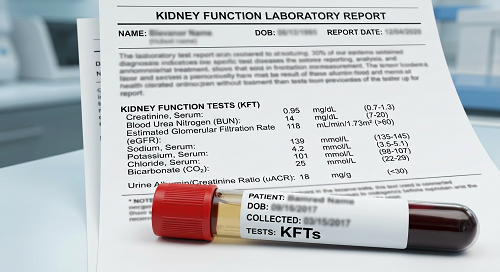
A kidney function test is a group of blood and urine tests that assess how well your kidneys are working. They help healthcare providers assess kidney health, detect disease early, monitor existing kidney conditions, and evaluate how well treatment is working.
These tests commonly measure parameters such as:
- Serum creatinine
- Urea
- Urine albumin.
- Estimated glomerular filtration rate (eGFR)
Together, the results provide a clearer picture of how effectively the kidneys filter waste and maintain the body's chemical balance. Because early kidney disease often causes few or no symptoms, regular kidney function testing plays an important role in identifying changes before permanent kidney damage occurs.
Why Is a Kidney Function Test Done?
- Filtration
- Waste removal
- Electrolyte regulation
Clinicians may request kidney function tests to:
- Detect early kidney problems: Identify changes in kidney function before significant symptoms develop, as kidney damage can progress silently.
- Investigate symptoms: Help evaluate symptoms that may suggest kidney dysfunction, such as swelling, changes in urination, fatigue, or unexplained changes in fluid balance.
- Monitor existing conditions: Assess kidney health in individuals with conditions that can affect kidney function, such as diabetes, hypertension, or cardiovascular disease.
- Guide treatment decisions: Assist healthcare providers in determining appropriate management strategies, including medication adjustments when kidney function is compromised.
- Assess kidney health before certain procedures: Kidney function tests may be performed before procedures such as contrast-enhanced CT scans, angiography, and some surgical procedures. This helps healthcare providers assess the risk of kidney injury and take precautions when needed.
What Does a Kidney Function Test Measure?
Kidney function tests involve a combination of blood and urine assessments that provide information about different aspects of renal performance.
The main components measured include [3]:
1. Serum Creatinine
Creatinine is a waste product of normal muscle metabolism. Healthy kidneys filter creatinine from the blood and remove it through urine. Measuring serum creatinine helps assess the kidneys' ability to filter.Typical reference range: Approximately 0.74 to 1.35 mg/dL for adult males and 0.59 to 1.04 mg/dL for adult females.
2. Blood Urea Nitrogen (BUN) / Urea
Urea is a waste product formed when the body breaks down proteins. The kidneys normally remove urea from the blood through urine. Measuring blood urea levels provides information about the body’s ability to eliminate nitrogenous waste.Typical reference range: BUN: approximately 7–20 mg/dL
3. Estimated Glomerular Filtration Rate (eGFR)eGFR estimates how much blood the kidneys filter per minute and is calculated using factors such as serum creatinine, age, and sex. It provides an overall estimate of kidney filtration capacity.Typical reference range: ≥100 mL/min/1.73 m² is generally considered normal in adults.
4. Urine Albumin-to-Creatinine Ratio (ACR)
ACR measures the amount of albumin (a type of protein) present in urine compared with creatinine. Under normal conditions, very little albumin passes through the kidney filtration barrier.Typical reference range: <30 mg/g is considered normal
5. Electrolytes
The kidneys help regulate electrolyte levels, which are essential for maintaining fluid balance, nerve function, and normal muscle activity. Measuring electrolytes helps assess the kidneys’ ability to maintain chemical balance in the body.Typical reference ranges:
Sodium: 135 to 145 mmol/L
Potassium: 3.6 to 5.5 mmol/L
Calcium: In adults, 8.8 to 10.7 mg/dL
Chloride: 97 to 105 mmol/L
Magnesium: 1.5 to 2.6 mg/dL
Phosphate: 3.4 to 4.5 mg/dL
Bicarbonate: 22 to 29 mmol/L
Who Needs a Kidney Function Test?
- Underlying Conditions: You have diabetes, high blood pressure, or cardiovascular diseases (such as heart failure). These conditions are the leading causes of long-term kidney damage.
- Medications: You regularly take long-term prescription medicines that are processed by the kidneys, such as certain painkillers (NSAIDs like ibuprofen) or psychiatric drugs (like lithium).
- Family History: A close relative (parent or sibling) has a history of kidney disease or kidney failure.
- Abnormal Signs: A routine check unexpectedly finds blood (haematuria) or protein (proteinuria) in your urine, or you have a history of sudden kidney injury.
- Routine Health Screening: Kidney function tests may be included as part of a routine health check-up, especially for older adults or people with risk factors for kidney disease.
- Preoperative Assessment: A kidney function test may be performed before surgery to check whether your kidneys are functioning properly, which helps surgeons and anaesthesiologists predict and manage potential future complications.
- Chemotherapy: Doctors use kidney function tests to monitor patients' kidneys throughout the chemotherapy cycles and to calculate the exact drug dosage.
How to Prepare for a Kidney Function Test
- Follow any fasting instructions provided by your healthcare provider, especially if your kidney function test is being performed alongside other blood tests, such as blood glucose or cholesterol tests.
- Stay well hydrated unless your healthcare provider advises otherwise. Drinking enough water can help ensure accurate test results, while dehydration may affect some measurements, particularly urea levels.
- Tell your healthcare provider about all medicines and supplements you are taking, including prescription medicines, over-the-counter medicines, vitamins, and herbal supplements, as some may affect kidney function test results.
- Avoid strenuous exercise before the test, as intense physical activity may temporarily increase creatinine levels and affect the results.
- Follow the instructions for collecting a urine sample if one is required. You may be asked to provide a urine sample collected after letting the first part of the urine pass to help reduce contamination and improve the accuracy of the results.
How Is a Kidney Function Test Done?
A kidney function test usually involves a blood test, a urine test, or both, depending on the information your healthcare provider needs. The procedure is quick, straightforward, and is usually performed at a clinic, hospital, or laboratory [3].
- Blood test: A healthcare professional, normally a phlebotomist, cleans the skin and inserts a small needle into a vein in your arm to collect a blood sample. The sample is sent to a laboratory to measure markers such as creatinine and urea, and to calculate your estimated glomerular filtration rate (eGFR).
- Urine test: If a urine sample is required, you will be given a sterile container and instructions on how to collect the sample. In most cases, you will be asked to:
- Wash your hands before collecting the sample.
- Clean the genital area using the cleansing wipes provided.
- Begin urinating into the toilet.
- Without stopping the flow of urine, collect the middle portion of the urine in the sterile container.
- Finish urinating into the toilet.
- Close the container securely without touching the inside of the lid or container.
- Return the sample to the healthcare provider or laboratory as instructed.
This collection method helps reduce contamination and improve the accuracy of the test results.Once collected, the blood and urine samples are examined in a laboratory. Your healthcare provider interprets the results together with your medical history, symptoms, and other investigations to assess your kidney health.
The procedure is generally safe and takes only a few minutes. You may feel a slight pinch during the blood draw, but most people return to their normal activities immediately after the test [3].
What Do Abnormal Kidney Test Results Mean?
An abnormal kidney function test result means your kidneys may not be filtering waste products effectively or maintaining the right balance of fluids and minerals in your body. However, an abnormal result does not always mean you have kidney disease. Your healthcare provider will interpret the results together with your medical history, symptoms, and other test findings before making a diagnosis [5].
A Reduced Filtering Capacity (eGFR)
The estimated glomerular filtration rate (eGFR) measures how well your kidneys filter waste from your blood.
- 60–89 mL/min/1.73 m²: May indicate a mild reduction in kidney function. This can occur with normal ageing and does not always mean kidney disease.
- 15–59 mL/min/1.73 m²: If the reduced eGFR persists for three months or longer, it may indicate chronic kidney disease (CKD).
- Below 15 mL/min/1.73 m²: Indicates severe kidney failure and requires urgent medical assessment.
2. High Waste Product Levels (Creatinine and Urea)
Creatinine and urea are waste products normally removed by the kidneys. High levels may indicate that the kidneys are not filtering waste effectively.
- Creatinine: A result above the laboratory's reference range of 0.74 to 1.35 mg/dL for adult males and 0.59 to 1.04 mg/dL for adult females may suggest reduced kidney function. However, dehydration, muscle mass, certain medicines, and recent strenuous exercise can also increase creatinine levels.
- Urea: A result above 7–20 mg/dL may occur when kidney function is reduced, but dehydration, a high-protein diet, or certain medicines can also cause it.
3. Protein or Blood in the Urine
Healthy kidneys prevent important substances from leaking into the urine.
- Albumin (protein): A urine albumin-to-creatinine ratio (ACR) of 30 mg/g or higher may be an early sign of kidney damage, even if eGFR is normal.
- Blood in the urine (haematuria): Blood in the urine may indicate irritation, infection, kidney stones, or other conditions affecting the urinary tract and should be assessed by a healthcare provider.
4. Secondary Changes
Reduced kidney function can also affect the body's fluid and mineral balance.
- High potassium (hyperkalaemia): May occur when the kidneys cannot remove excess potassium from the blood.
- Anaemia: Damaged kidneys may produce less erythropoietin, a hormone needed to make red blood cells, leading to anaemia.
- Fluid retention (oedema): Reduced kidney function can cause fluid to build up in the body, leading to swelling of the ankles, feet, hands, or face.
How Often Should Kidney Function Tests Be Done?
- Routine Healthy Screening: Kidney function tests may be included as part of a routine health check-up, particularly for people at increased risk of kidney disease. Regular screening can help identify changes in kidney function before symptoms develop.
- Chronic Disease Management: If you have diabetes, high blood pressure, or cardiovascular disease, your healthcare provider may recommend regular kidney function tests to monitor your kidney health and detect early signs of kidney damage.
- Established Kidney Disease (CKD): If you have been diagnosed with Chronic Kidney Disease, testing frequency scales with severity. It ranges from 1 to 2 times a year for early stages, up to 3 to 4 times a year (or more) for advanced stages, to track rapid changes.
- Medication Monitoring: If you take medicines that can affect kidney function, such as lithium or long-term non-steroidal anti-inflammatory drugs (NSAIDs), your healthcare provider may recommend regular kidney function tests to monitor your kidneys and ensure the medicines remain safe and effective.
- Unexpected Result Verification: If a completely new or sudden drop in filtering function is detected, doctors will schedule a repeat test within 2 weeks to rule out a temporary issue or an acute kidney injury (AKI) [6].
Conclusions
Kidney function tests are a simple but important way to check how well your kidneys are working. They can help detect changes in kidney function early, often before any symptoms appear. Early detection allows healthcare providers to identify the cause, monitor your kidney health, and start treatment or lifestyle changes that may help slow or prevent further damage.
If you have diabetes, high blood pressure, heart disease, a family history of kidney disease, or take medicines that can affect the kidneys, regular kidney function tests can play an important role in protecting your health.By attending regular check-ups, following medical advice, and maintaining healthy lifestyle habits, you can support your kidney health and reduce the risk of future complications.
FAQs
1. Do I need to fast before a kidney function test?
Most kidney function tests do not require fasting. However, if the test is being done alongside other blood tests, such as a blood glucose or cholesterol test, your healthcare provider may ask you to fast beforehand.
2. Can I have kidney disease even if I feel well?
Yes. Early kidney disease often has no symptoms. This is why kidney function tests are important, especially if you have diabetes, high blood pressure, heart disease, or a family history of kidney disease.
3. How often should I have a kidney function test?
It depends on your age, medical history, and risk factors. People with conditions such as diabetes, high blood pressure, or chronic kidney disease may need regular testing as recommended by their healthcare provider.
4. Does an abnormal kidney function test always mean kidney disease?
No. Abnormal results can be caused by dehydration, certain medicines, strenuous exercise, or a temporary illness. Your healthcare provider may repeat the test or order additional investigations before making a diagnosis.
5. What is the difference between creatinine and eGFR?
Creatinine is a waste product measured in your blood, while eGFR is a calculation based on your creatinine level, age, and sex that estimates how well your kidneys are filtering blood. Together, they provide a better picture of kidney function.
References
- Hill NR, Fatoba ST, Oke JL, Hirst JA, O'Callaghan CA, Lasserson DS, et al. Global prevalence of chronic kidney disease – A systematic review and meta-analysis. PLoS One. 2016 Jul 6;11(7):e0158765. Available from: https://pmc.ncbi.nlm.nih.gov/articles/PMC4934905/
- Gowda S, Desai PB, Kulkarni SS, Hull VV, Math AAK, Vernekar SN. Markers of renal function tests. N Am J Med Sci. 2010;2(4):170-173. Available from: https://pmc.ncbi.nlm.nih.gov/articles/PMC3354405/. doi:10.4297/najms.2010.2170.
- Gounden V, Bhatt H, Jialal I. Renal function tests. In: StatPearls [Internet]. Treasure Island (FL): StatPearls Publishing; 2024 [updated 2024 Mar 2]. Available from: https://pmc.ncbi.nlm.nih.gov/articles/PMC3354405/
- Chen TK, Knicely DH, Grams ME. Chronic kidney disease diagnosis and management: A review. JAMA. 2019 Oct 1;322(13):1294–1304. Available from: https://jamanetwork.com/journals/jama/article-abstract/2752067
- Kidney Disease: Improving Global Outcomes (KDIGO) CKD Work Group. KDIGO 2024 Clinical Practice Guideline for the Evaluation and Management of Chronic Kidney Disease. Kidney Int. 2024;105(4 Suppl):S117-S314. Available from:https://www.kidney-international.org/article/S0085-2538(23)00766-4/fulltext. doi:10.1016/j.kint.2023.10.018.
- American Diabetes Association Professional Practice Committee. Chronic kidney disease and risk management: Standards of care in diabetes 2026. Diabetes Care. 2026 Jan;49(Suppl 1):S246–60. Available from: https://diabetesjournals.org/care/article/49/Supplement_1/S246/163914/11-Chronic-Kidney-Disease-and-Risk-Management
Disclaimer:
The information provided on this website is for general educational and informational purposes only. It is not intended to replace professional medical advice, diagnosis, or treatment. Always seek the advice of your physician or other qualified health provider with any questions you may have regarding a medical condition.
Published July 25, 2026